Maybe it’s a admiration for the way First Nation peoples lived in harmony with nature. Possibly, it’s a fascination with the pioneer spirit of the first settlers, particularity the gritty determination the women must have had. I’m not sure, but something about Canadian history reduces me from an analyst to a blithering romanticist. In honesty, romanticising it is probably a result of knowing so little. So, in an attempt to address that I’ve been delving into the past of the city we now call home.
If you’ve never heard of Prince George, you can get antiquated with the basics here. Here’s a brief look at how the First Nation, Fur Trade and Train Station made Prince George.
First Nation: The Lheidli T’enneh

‘The people who are of the confluence of the two rivers’ is how Lheidli T’enneh can be translated; Lheidli meaning “where the two rivers flow together” and T’enneh meaning “the people”. These are the indigenous people who for at least 9000 years, the archaeological evidence suggests, thrived where the Nechako and Fraser Rivers meet. Today this spot is where Prince George is located. The Lheidli T’enneh are a subgroup of the Dakelh, whose name can be translated as people who travel on water. The Dakelh’s home area covers a large portion of the central interior of British Columbia.
Fur Trade: Fort George of the North West Company
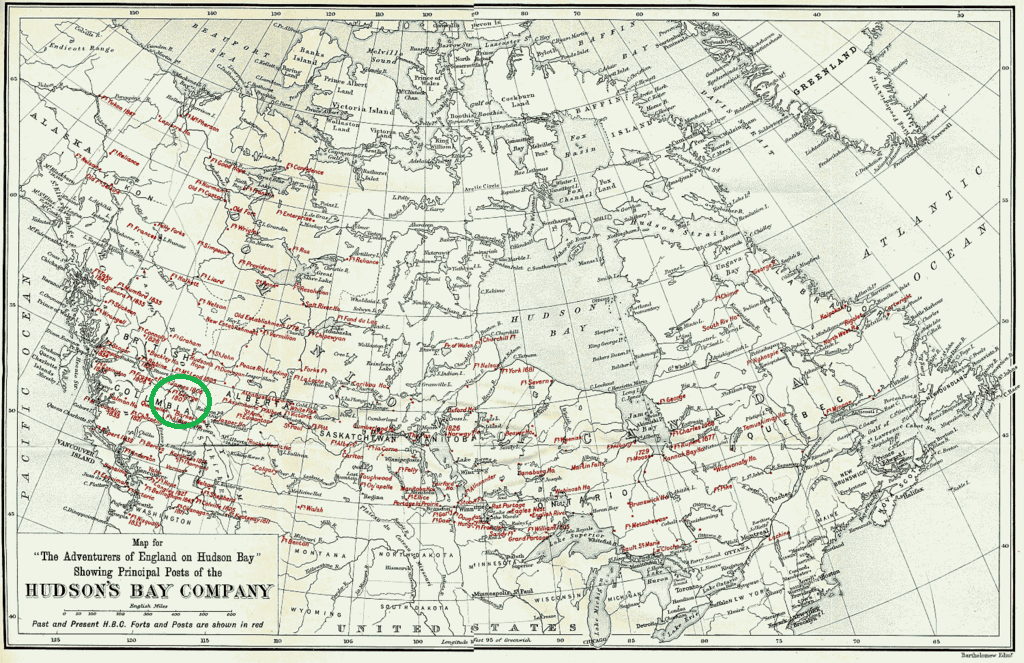
In 1807 Simon Fraser (now remembered in the name of the river) established a fur trading post for the North West Company, which he named Fort George. Fur Traders were among the first European people to come west. The fur was often collected by local First Nation people who traded it with the white Europeans for manufactured goods. The Trading posts, such as Fort George, were usually rough and rudimentary settlements consisting of a few building which houses necessities such as a Fur Store and General Store. Fort George was isolated from the excitement taking place further south when people hurried to join what became known as the Cariboo Gold Rush. As such, it remained largely undeveloped until the prospect of a rail road drew people in.
Train Station: Prince George becomes a city
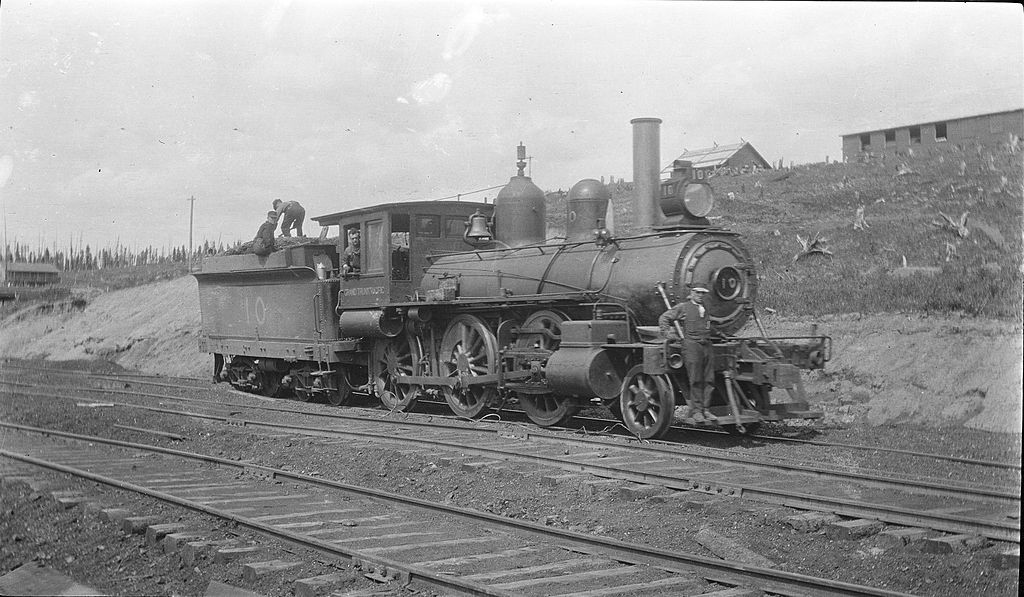
At the beginning of the 20th Century Fort George began to grow as people began to settle and farm, attracted to the post by the rumor that the Grand Trunk Pacific Railway was planning on building a station. The town actually grew as two separate settlements South Fort George, on the Fraser River, and to the northwest on the Nechako River Central Fort George.
South and Central Fort George, each with a population of around 1,500, both believed they were destined to be the site of the new Grand Trunk Pacific railway station. Instead the railway chose a 1,377 acre site between the two communities. $125,000 was paid to the Lhiedli T’enneh in return for their forced removal from the land. The new site (not new of course to the Lhiedli T’enneh!) with the railway station, was named Prince George. This area is downtown Prince George today and has been the centre of the city of Prince George since it’s incorporation on the 6th March 1915.


 West Country Wandering